
Livelihood
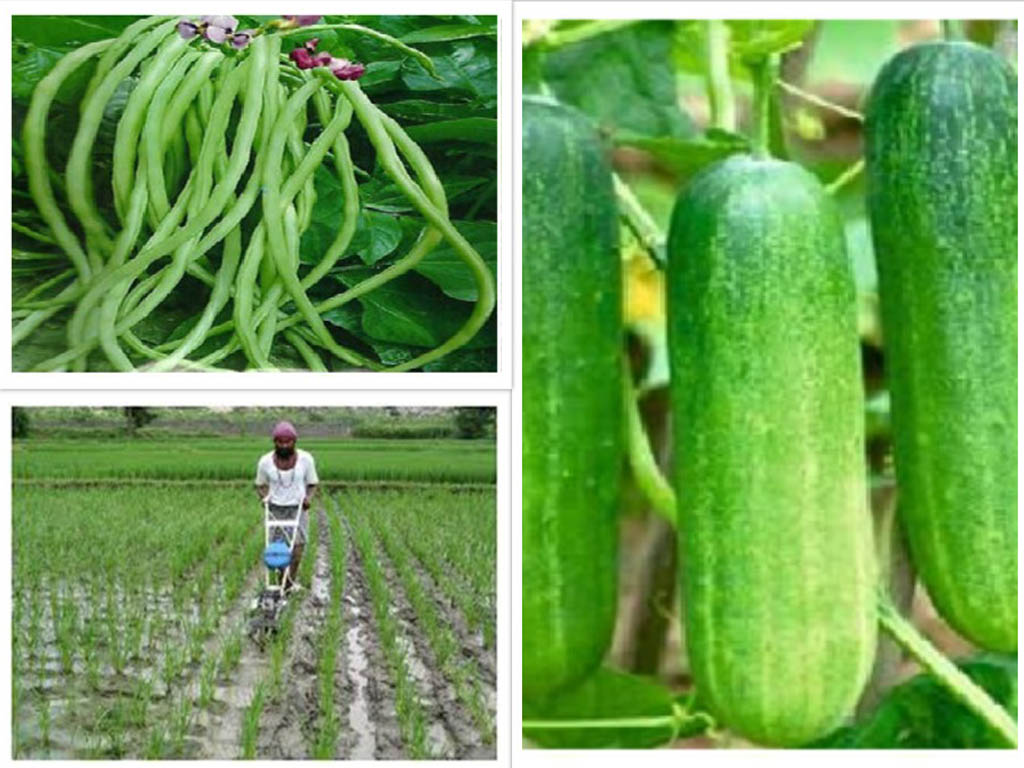
PARDS interventions are principally focused with Tribal’s, women headed family and underprivileged rural people Over the years, declining forests and the implementation of protection-oriented public policies have made serious inroads to these livelihood activities, resulting in reduced incomes for the underprivileged rural communities. The majority of the rural poor continue to be dependent on land and water resources for their insufficient livelihoods. The various observable fact including inadequate skill, farming, non farming technology, deforestation, drought, soil erosion and non availability of the market information have resulted in decreased incomes for these families. Invariable poverty persists. PARDS intervention comprise of enhancing productivity in agriculture; diversifying into new crops; setting up irrigation systems; and instituting entirely new ways of managing the natural resource base. Paddy is the important food grain of our state of Jharkhand /India In Jharkhand state, paddy/ for increasing rice production was cultivated. PARDS introduced SRI (System of Rice Intensification) method for paddy cultivation .This leads to higher growth of roots and more fractures. There should be less water in the field during the use of weedier. It produces paddy 10 to 15 percent more in normal yield than normal method. Can also cultivate hybrid rice or varieties of common paddy by SRI method . The rural people benefited by using the SRI method such as Higher yield - both cereal and feed/Duration of ready period (up to 10 days)/Use of organic fertilizers/Less water requirement/Percentage of low husk cereals/Increase in the weight of the grain without changing the size of the grain.
Enhancing productivity and diversification are the core strategies of PARDS agriculture programmes. Specific activities are increasing the productivity of the main cereal crops to improve food security, and diversification into cash crops such as pulses, oil seeds, and vegetables. The PARDS project teams based in the villages and hilly terrains are working to encourage farmers to take up vegetable cultivation on their small-scale homesteads and near dug wells. These activities provide to the poor families for a dependable source of income. PARDS strategy has to work directly with the underprivileged rural poor to build their Skill, potential for prospective Livelihood. These Interventions introduced and develop new livelihood opportunities.
PARDS put forward the pathways through which household agricultural activity have influences on child nutrition. 235 numbers of family were trained and made aware on the Issue of food and nutrition security, Nutrition Gardening and production of bio compost and pesticides.