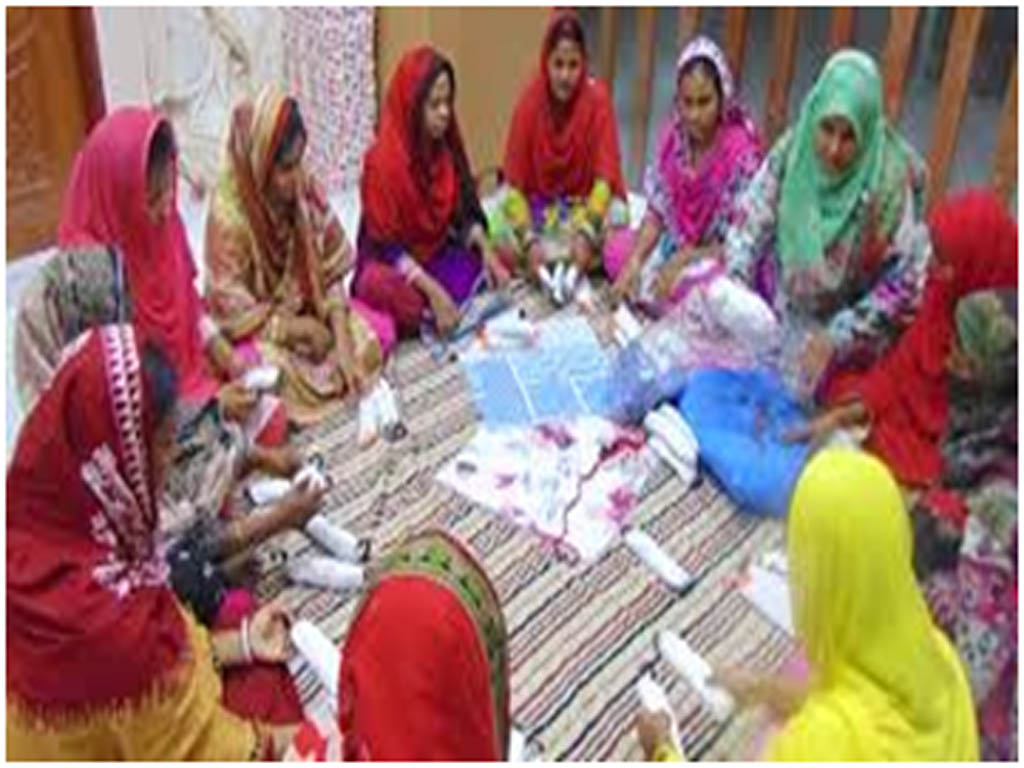
Menstrual  Health  and Hygiene Management

Menstrual Health and Hygiene Management

Although, Menstruation is a normal biological process yet beliefs and superstitions regarding menstruation have led to a culture of silence. Talking about menstruation is considered taboo and girls are uncomfortable to openly discuss what is perceived as a private and an unclean affair in rural areas. Often, adolescent girls have no credible source of information to educate themselves on Menstrual Health and Hygiene Management. PARDS assisted a project on“ Promoting Young Adolescents Reproductive Health Initiative” to break the culture of silence around menstruation and create an environment which directly impacted the lives of 2700 adolescent girls by focusing upon educating them, capacity building of Frontline workers, environment-building through stakeholder engagement specially mothers of adolescent girls, SHG members and Middle and high school teachers in villages in Giridih district of Jharkhand.
PARDS trained key personnel in awareness of adequate sanitation, hygiene, and treatment of diarrhea to village water and sanitation committees (VWSCs) after facilitating the formation of VWSC members in turn then communicated the project's core message to the entire population through community-organized cleanliness campaigns, wall writings, and street shows
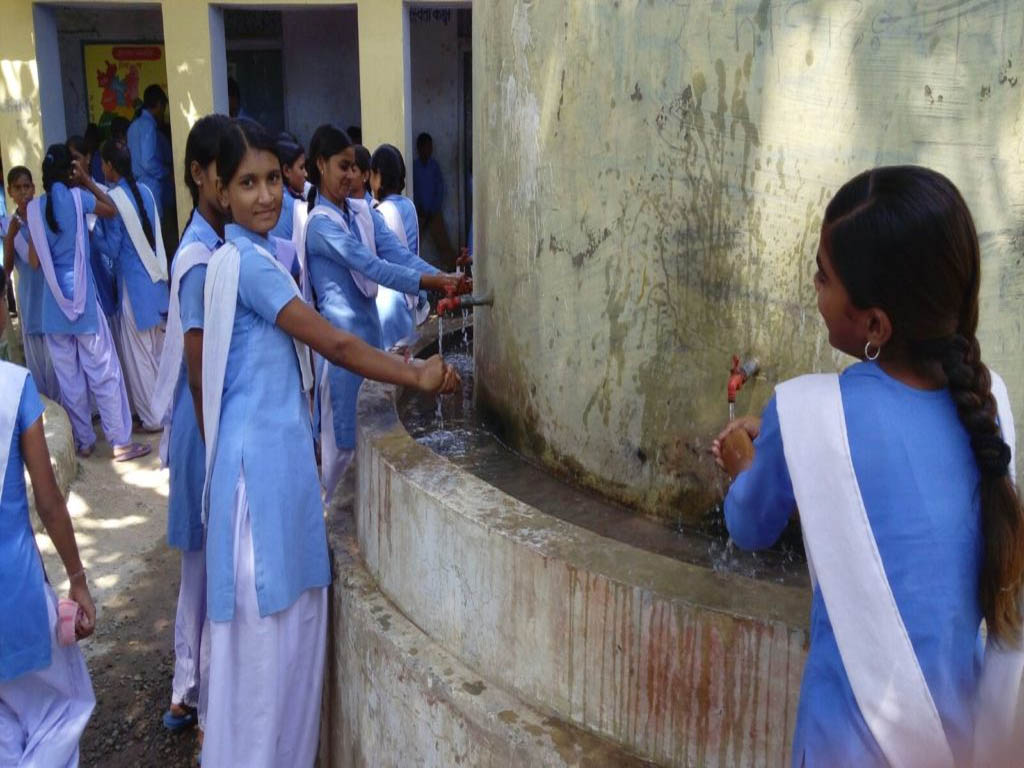
HANDWASING and Hygiene management at Schools and ICDS Feeding centre

HANDWASING and Hygiene management at Schools and ICDS Feeding centre

WASH- The program has emerged to be highly successful in terms of improving the knowledge level of adolescent girls, boys change in attitude while and improvement in practices related to Hand washing practices on hygiene management. As a result of the intervention made through orientations, trainings, various community meetings, video shows there is a remarkable improvement in percentage of adolescent girls, boys and their parents. The change exist Keeping hands clean is very important time to washing hands so that there is no danger of germs. One should make a habit of hand washing and should not forget that to wash hands before meals and after meals. By facilitating sustainable clean water and sanitation measures, PARDS interventions have thus dramatically reduced disease and improved overall quality of life. Further than the many existing health and economic benefits resulting from access to water and sanitation. PARDS most important overall achievement in this area is community members' increased awareness of, and capacity to assert, their right to clean water and sanitation facilities. It has become successful in generating demands for services by triggering among the village community the need for sanitation. PARDS is making continues efforts to developing representation model so that the same model is replicated in the other areas.